 2
2Oil painting
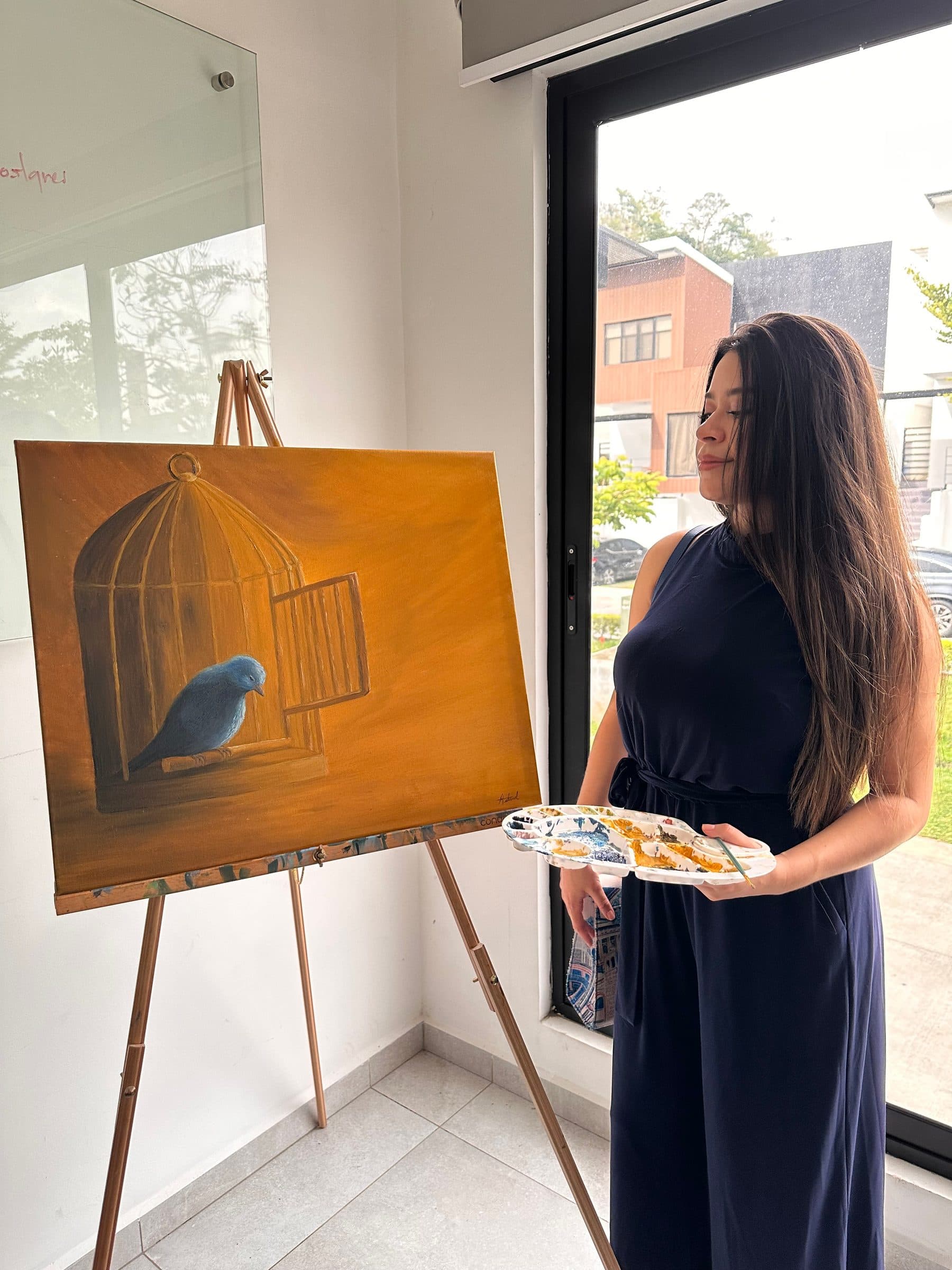
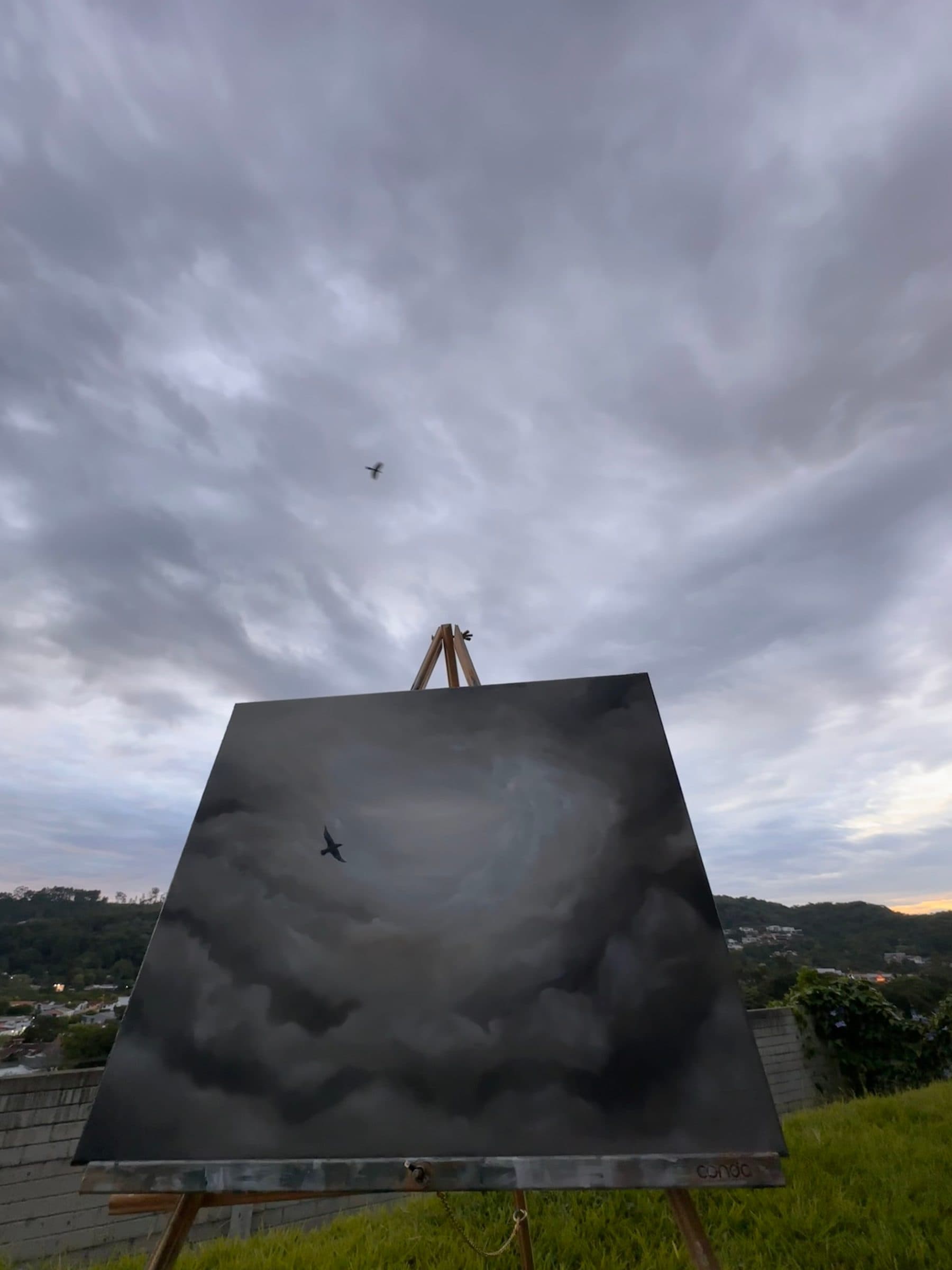
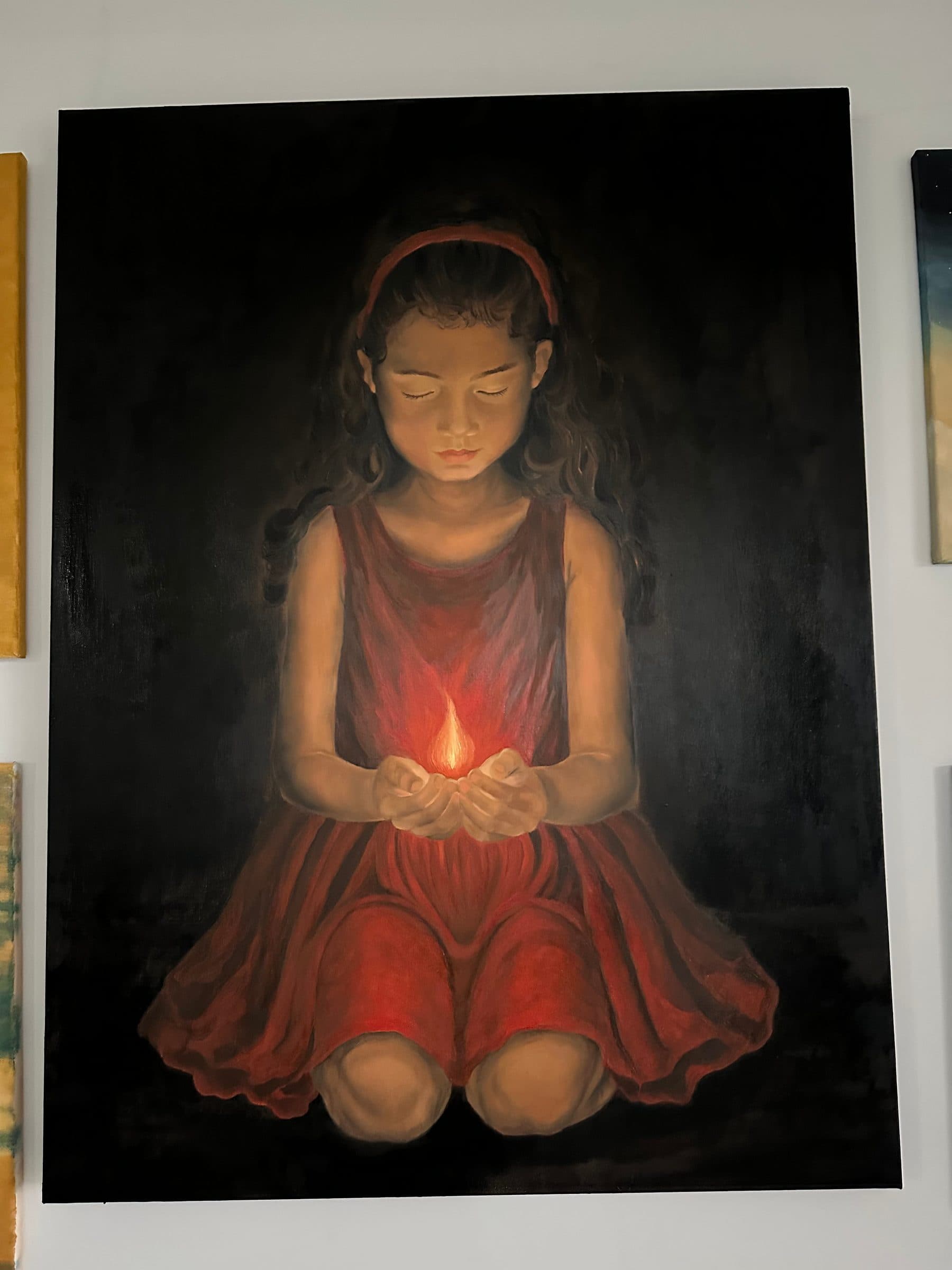
The classic technique par excellence. Deep colors, soft transitions and a durability that outlasts centuries.
History
Oil painting was consolidated in the 15th century and has been the reference technique of Western painting ever since. Pigments are bound in drying oils — mainly linseed oil — which oxidize to form a solid, flexible and very durable film.
Characteristics
- Slow drying: allows blending colors and working soft transitions.
- Depth of color: pigments in oil reach a saturation and richness hard to match.
- Layered work: glazes and impasto coexist in a single painting.
Advantages
The long working time gives absolute control over detail and atmosphere. Oil also ages nobly: well cared for, it keeps its intensity for generations.
Oils and varnishes
I use linseed oil for base layers and more stable oils (safflower, walnut) in lights and details. Once deep drying is complete I apply a conservation varnish with UV filter, which protects the surface and unifies the finish.
How to preserve an oil painting
- Avoid direct sunlight and heat sources.
- Keep relative humidity stable (ideally 45–55%).
- Remove dust with a soft, dry brush.
- Do not apply household cleaning products.
- Have the varnish checked by a professional every 5–10 years.
Frequently asked questions
- How long does an oil painting take to dry?
- Surface drying takes days to weeks depending on layer thickness; deep drying (full oxidation) can take six months to a year. That's why the final varnish is applied months after the work is finished.
- How long does an oil painting last?
- With quality materials and basic care, an oil painting stays in excellent condition for centuries. Many museum works are over 400 years old.
- How do I clean an oil painting at home?
- Only with a soft, dry brush to remove dust. Never use water, chemicals or damp cloths; for deeper cleaning, consult a professional restorer.